Logistics companies face unique challenges when it comes to protecting their vehicle fleets. From long-haul trucking to local delivery services, comprehensive vehicle insurance is essential for maintaining operations and protecting business investments. Reliable coverage helps companies minimize financial risks associated with accidents, vehicle damage, or operational disruptions.
Since many logistics operations rely on different types of vehicles, businesses often review available car insurance options in Qatar and compare price levels to ensure they choose cost-effective and reliable protection for their vehicles. Platforms such as qic.online/en/car-insurance provide information about coverage plans, helping companies and individual drivers better understand insurance solutions available in the market.
Here’s what you need to know about insuring your logistics fleet.
Key differences in logistics insurance
Ensuring a logistics fleet is more complex than standard commercial vehicle insurance due to several factors:
- Diverse vehicle fleets: Logistics companies often use various vehicles, from small vans to large trucks, each with a different risk profile.
- Cargo value and type: Insurance must cover the value and nature of the goods being transported, such as perishable items, fragile goods, or standard merchandise.
- Extensive operational demands: Logistics vehicles usually operate for longer hours and travel more varied and unpredictable routes.
- Dispersed driver management: Overseeing drivers across multiple locations or routes creates unique risk management challenges.
- Seasonal demand fluctuations: Demand spikes during holidays or specific seasons increase vehicle use and potential risks.
What insurance do you actually need?
To be fully protected, you’ll want a few layers of insurance:
- Commercial Vehicle insurance: This is the basic stuff. It covers liability if you’re at fault, damage or theft of your vehicles, and injuries to your drivers.
- Goods in transit (cargo) insurance: Super important. This protects the actual goods you’re hauling against loss or damage from things like accidents or theft.
- Public and employers’ liability: Public liability has your back if a third party gets hurt or their property is damaged on your premises. Employers’ liability protects you if an employee files an injury claim.

Be proactive: how to protect your fleet
Don’t just rely on insurance. You can actively lower your risks:
- Smart risk management: Get a solid risk management plan in place. This means checking routes for potential dangers, having strict driver training, and sticking to a regular vehicle maintenance schedule.
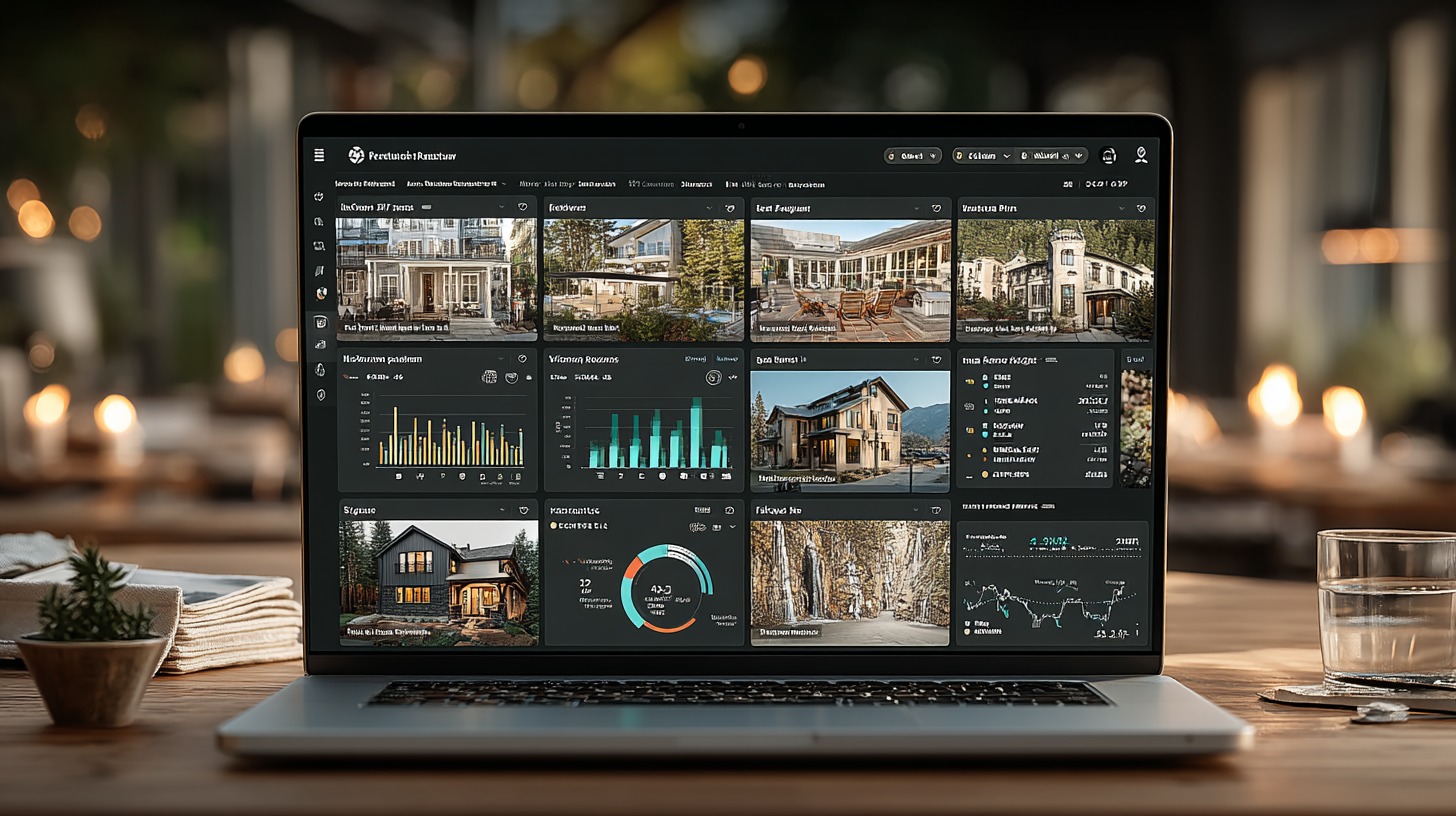
- Use technology: Tech can be a huge help for safety. GPS tracking lets you know where your vehicles are, driver behavior monitors can flag unsafe habits, and automatic maintenance alerts help keep your fleet in great shape.
Do you need special coverage?
Sometimes, a standard policy isn’t quite enough. You might need extra coverage for:
- High-value cargo: Hauling pricey items like electronics? You’ll want extra coverage to avoid a major financial hit if something goes wrong.
- Hazardous materials: Transporting dangerous goods requires special policies that cover potential cleanup costs and environmental damage.
- International shipments: If your fleet crosses borders, you’ll need insurance that handles international laws, customs bonds, and other cross-border complexities.
How to keep insurance costs down
Nobody wants to overpay for premiums. Here are a couple of ways to manage costs:
- Right-size your fleet: Regularly check if you have more vehicles than you need. Taking unused trucks or vans off your policy can save you a good chunk of money.
- Focus on your drivers: Your drivers are your best defense against accidents. A good hiring process, regular safety training, and rewards for safe driving can seriously improve your claims history and lower your premiums.
Handling claims without the headache
When an incident happens, a smooth claims process is key to getting back on the road quickly. Have a clear system for drivers to report accidents right away. It’s also smart to have a backup plan that includes replacement vehicles and a way to keep your customers in the loop about any delays.