

In practice, selling meat is considered one of the most stable segments in the food retail industry. Demand for meat products remains steady regardless of the season or economic conditions. People may cut back on non-essential purchases, but staple foods remain a priority. This gives entrepreneurs in this niche the opportunity to build a long-term and predictable business when managed properly.
Format and first steps
The first stage is choosing the right business format. This could be a small retail outlet, market sales, supplying cafés and canteens, or a combination of these models. At this point, it is important not to chase scale but to understand what volume you can realistically manage without compromising quality or reputation.
The next key step is organizing procurement. A meat shop business requires careful selection of suppliers. Reliable partners are essential because product freshness and assortment stability depend directly on them. Cooperation with farms, slaughterhouses, or processing facilities should be based on clear agreements, timelines, and transparent terms.
Storage and logistics must also be planned in advance. Refrigeration equipment, temperature control, transportation, and inventory tracking directly affect losses and profitability. Mistakes at this stage can lead to financial problems even when demand is strong.
Product range and pricing
Building the right assortment starts with analyzing customer preferences. In some areas, pork and chicken sell better. In others, beef or ready-to-cook products are consistently in demand. The closer your offer matches customer expectations, the faster your inventory turnover.
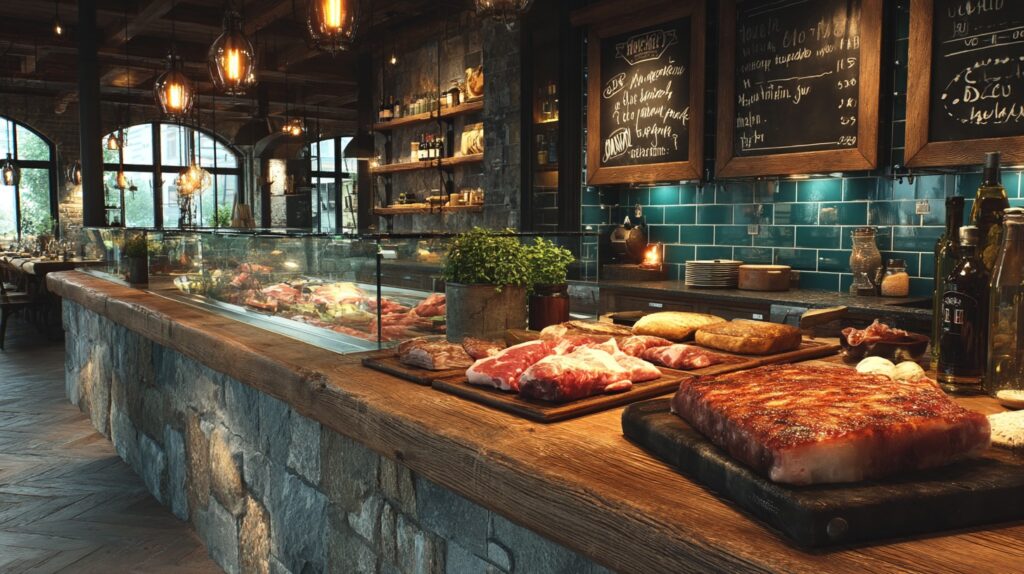
In this context, reselling meat as a business depends on setting the right markup and understanding the margin of each product category. You must factor in purchase price, spoilage, storage costs, and staff expenses. The final price should remain competitive while still generating sustainable profit.
Sales and growth
Promotion in the meat business rarely requires complex marketing tools. In most cases, product quality, consistency, and customer service are the deciding factors. Regular customers generate the core revenue and attract new buyers through word of mouth.
Meat retail performs best when trust is built over time. Honest information about product origin, clean presentation, strict hygiene standards, and polite communication all contribute to a strong reputation. In this industry, reputation often works better than advertising.
As the business grows, expansion can happen gradually. You might introduce delivery services for regular clients, supply corporate customers, partner with cafés and canteens, open a second outlet, or move into basic meat processing. This step-by-step approach allows revenue to increase without losing control over quality and operations.
The meat business remains a clear and viable opportunity for entrepreneurs who are ready to work systematically and responsibly rather than chase quick profits. A well-chosen format, reliable suppliers, a carefully planned assortment, and attention to detail can turn meat sales into a stable source of income. With consistent management, accurate accounting, and a focus on reputation, even a small start can grow into a sustainable and profitable enterprise.