
You’ve had success with your first real estate investment, and now you’re asking, “What’s next?” It’s time to scale. Growing your short-term rental (STR) business isn’t just about buying more properties, whether you’re eyeing local deals or premium locations like Saadiyat Island properties; it’s about building a legacy and a consistent source of passive income through a well-planned strategy.
Why scale your STR business?
Scaling means strategically increasing your investments to boost profitability, spread risk, and capitalize on new opportunities. For STRs, it allows you to tap into the growing market of travelers seeking unique lodging. It’s about leveraging the flexibility and high-yield potential of vacation rentals to build a resilient, profitable investment strategy.
How to scale rental properties effectively
Scaling your STR business requires a strategic, multi-faceted approach, from laying a solid foundation to using technology and market data.
1. Set the right foundation
Successful investors start with clear, measurable objectives, whether it’s maximizing rental income, buying for appreciation, or diversifying. Setting precise goals guides your strategic decisions:
- Educate yourself: Explore advanced strategies like the BRRRR method or leveraging commercial real estate to find what aligns with your financial goals. An STR-friendly real estate agent can help.
- Learn from your first property: Your first rental offers invaluable lessons in market analysis, property management, and guest satisfaction. Use this experience as a blueprint for identifying properties with high return potential.
- Decide on a management plan: Choose how you will manage multiple properties. Whether you self-manage or hire property managers, your decision impacts operational efficiency and scalability.
2. Prepare for profitability
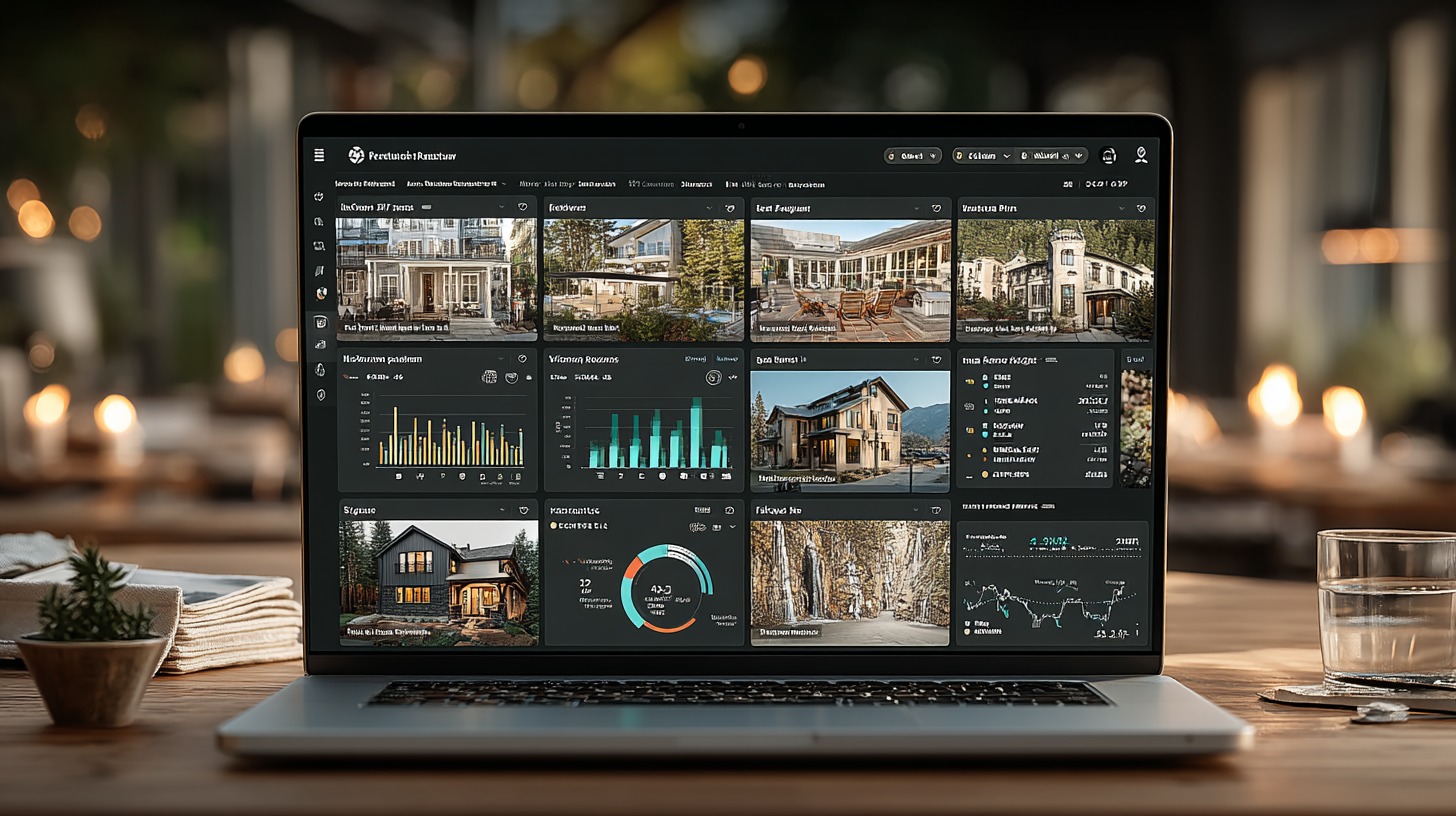
Use data analytics tools to identify high-potential properties. These platforms offer market insights, helping you find locations with high seasonal RevPAR and assess the earning potential of different properties:

- Understand regulations: Navigating local, state, and federal laws is essential, as they affect everything from operations to taxes. A deep understanding of these regulations ensures your investments remain compliant.
- Prepare a budget: A comprehensive budget should cover operating costs, potential rental income, and unexpected expenses to ensure you’re financially prepared.
- Explore financing options: Look beyond traditional mortgages to options like portfolio loans or creative financing. Host Financial suggests Debt-Service Coverage Ratio (DSCR) loans, which are tailored for income-generating properties. DSCR loans evaluate a property’s cash flow rather than personal income, making them ideal for expanding investors.
3. Scale strategically
A solid track record of rental income demonstrates your success to lenders, making it easier to secure financing with better terms:
- Leverage equity: The equity in your existing properties is a powerful tool. Home equity loans or lines of credit allow you to access funds at competitive rates.
- Use the BRRRR method: The BRRRR (Buy, Rehab, Rent, Refinance, Repeat) method offers a systematic way to scale. By rehabilitating properties and refinancing based on their improved value, you can reinvest equity into new projects.
4. Expand your portfolio
Diversification is key to mitigating risk. Expanding to include various property types in different markets can protect you from fluctuations in a single sector.
Daniel Ramirez from Host Financial advises, “Investing in different types of properties and in various locations can help mitigate risk and tap into different tourist demographics and seasons. This requires thorough market research to identify emerging destinations.”
- Consider seasonal markets: Target markets with different peak seasons to ensure a more consistent income stream. For example, owning a property in a spring destination like Coachella Valley, CA, can balance the off-season of a winter spot like Park City, UT. By selecting properties across diverse markets, you can maximize year-round occupancy and mitigate seasonal downturns.
5. Evaluate and optimize
Regularly evaluate your portfolio’s performance. Analyze rental income, occupancy rates, and maintenance costs to ensure your investments align with market trends and your financial goals. Using data analytics provides deeper insights into each property’s performance and the overall health of your portfolio.